



Secure Digital Identities

Digital identities are a fundamental building block of today’s connected world. They enable people, organizations, devices and applications to identify themselves securely and reliably in digital environments. From accessing enterprise systems and using digital government services to electronic identification and digital signatures, trusted digital identities create the foundation for secure digital interactions.
cryptovision provides security solutions for digital identities, electronic identities (eID), Public Key Infrastructure (PKI), authentication, digital certificates, digital signatures and biometric identity solutions. Using advanced cryptographic technologies, cryptovision helps governments, public authorities and enterprises establish trusted digital identities and protect them throughout their lifecycle.
What Is a Digital Identity?
A digital identity is the electronic representation of a person, organization, application or device. It consists of digital attributes and credentials that make it possible to identify and verify an entity within digital systems and processes.
Depending on the application and required security level, a digital identity may include personal information, digital certificates, cryptographic keys, authentication credentials or biometric characteristics.
Digital identities are used in a wide range of applications, from accessing corporate networks and online services to electronic identity documents, digital government services and secure machine-to-machine communication.
At its core, digital identity answers one essential question: Can we trust that a person, device or system really is who or what it claims to be?

Why Are Digital Identities Important?
Organizations must be able to determine who is accessing sensitive information, applications and services. At the same time, users expect digital services to be secure, convenient and easy to access.
Secure digital identities help protect organizations and individuals against identity theft, unauthorized access, fraud and manipulation. They enable users, devices and applications to authenticate themselves reliably before gaining access to protected resources.
Digital identities therefore establish trust between individuals, governments, enterprises and technical systems. They are a key component of secure digital transformation, e-government, connected infrastructures and modern digital business models.

CITIZEN ID – Digital Identities for Citizens and Governments
Digital government services require trusted identities. Citizens need secure ways to prove their identity electronically, while governments and public authorities must ensure that personal identity information remains protected and can be reliably verified.
A citizen digital identity can be implemented through electronic identity documents, eID cards, mobile identities or other secure digital credentials. Cryptographic security mechanisms protect the underlying identity data and help ensure its authenticity and integrity.
Secure citizen identities enable governments to provide a growing range of digital services. Citizens can authenticate themselves online, access public services, submit applications, sign documents electronically and interact securely with government institutions.
cryptovision provides technologies for Citizen ID, electronic identity documents and secure digital identity infrastructures, supporting governments in building trusted digital ecosystems.

ENTERPRISE ID – Digital Identities for Enterprises
Digital identities also play a critical role in enterprise IT security. Employees, external partners, applications, machines and devices need trusted identities to securely access corporate networks, applications and sensitive information.
An enterprise digital identity connects access rights to a verifiable identity. Technologies such as digital certificates, smart cards, Public Key Infrastructure and strong authentication can provide significantly stronger security than conventional password-based authentication alone.
In complex enterprise environments, managing identities, credentials and certificates efficiently is essential. Secure digital identities help organizations control access, protect sensitive information and establish trusted communication between users, devices and applications.
They also provide an important technological foundation for modern security architectures and highly connected enterprise infrastructures.
Digital Identity and eID
An eID (electronic identity) is a form of digital identity that enables individuals to identify themselves electronically when accessing digital services.
Electronic identities can be stored on secure identity documents, smart cards, mobile devices or other trusted credentials. Cryptographic mechanisms protect identity information and enable service providers to verify its authenticity.
eID solutions are particularly important for e-government, digital public services and other security-critical applications where reliable electronic identification is required.
By combining trusted identity information with strong cryptographic protection, eID technologies establish a secure connection between a real-world identity and digital services.
PKI as the Foundation for Digital Identities
A Public Key Infrastructure (PKI) provides the technological foundation for many secure digital identity solutions. A PKI manages digital certificates and cryptographic keys that can be used to identify people, devices, applications and systems.
Digital certificates establish a trusted connection between an identity and a cryptographic key. This makes it possible to verify the identity of users and systems and establish trusted digital communication.
PKI technology enables secure authentication, encrypted communication and digital signatures, providing a scalable trust infrastructure for governments, enterprises and complex IT environments.
Professional Certificate Lifecycle Management additionally ensures that certificates can be securely issued, distributed, renewed, revoked and managed throughout their lifecycle.
Authentication with Digital Identities
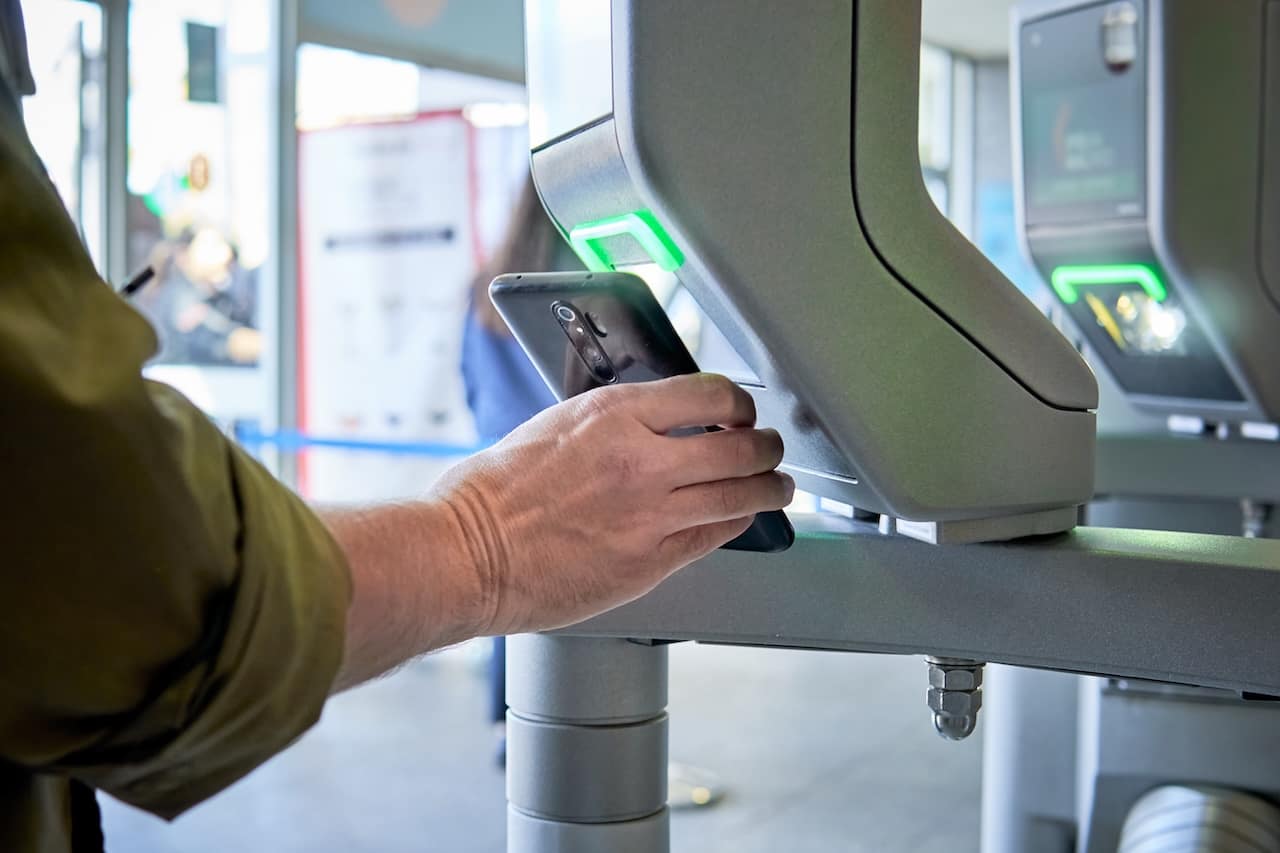
Authentication verifies whether a digital identity actually belongs to the person, application or device presenting it. Strong authentication is therefore a fundamental component of secure digital identity solutions.
In addition to passwords, organizations can use digital certificates, smart cards, security tokens, mobile credentials or biometric characteristics to verify identities.
Security can be further strengthened through Multi-Factor Authentication (MFA). MFA combines multiple independent authentication factors, such as something the user knows, something the user possesses and a biometric characteristic.
Strong authentication based on trusted digital identities helps reduce the risk of identity theft and unauthorized access while enabling secure access to digital services, applications and information.

Digital Signatures and Digital Identity
Digital signatures therefore help ensure the authenticity and integrity of digital documents and processes. They allow enterprises and public authorities to securely digitize workflows that previously depended on paper-based processes.
Digital identities, digital certificates and Public Key Infrastructure work closely together. The digital identity establishes the connection to a person or organization, while certificates and cryptographic keys provide the technical foundation for creating and verifying digital signatures.
This creates trusted and verifiable digital processes – from electronic document exchange to complex digital workflows.
Biometrics and Digital Identities
Biometric technologies can help establish a reliable connection between a digital identity and a real person. Common biometric characteristics include facial recognition, fingerprints and iris recognition.
Combined with electronic identity documents or digital identity platforms, biometrics can provide convenient and strong identity verification.
Biometric technologies can be used in identity enrollment, electronic identity documents, border control, digital government services and authentication processes.
Because biometric information is particularly sensitive, secure identity architectures need to protect biometric data appropriately. Combining biometric verification with cryptographic technologies and secure identity infrastructures can provide a strong foundation for trusted digital identity solutions.

Eviden Digital Identity
cryptovision develops security technologies for digital identities and cryptographically protected processes. Its solutions are used by enterprises, governments and public-sector organizations to establish trusted digital infrastructures.
The cryptovision portfolio covers technologies for Citizen ID, Enterprise ID, electronic identities (eID), Public Key Infrastructure (PKI), digital certificates, authentication, digital signatures and biometric identity solutions.
The objective is to protect digital identities throughout their lifecycle – from creation and issuance to authentication and the secure management of cryptographic keys and certificates.
cryptovision helps organizations establish trusted digital infrastructures in which people, devices, applications and systems can securely identify and authenticate themselves.


